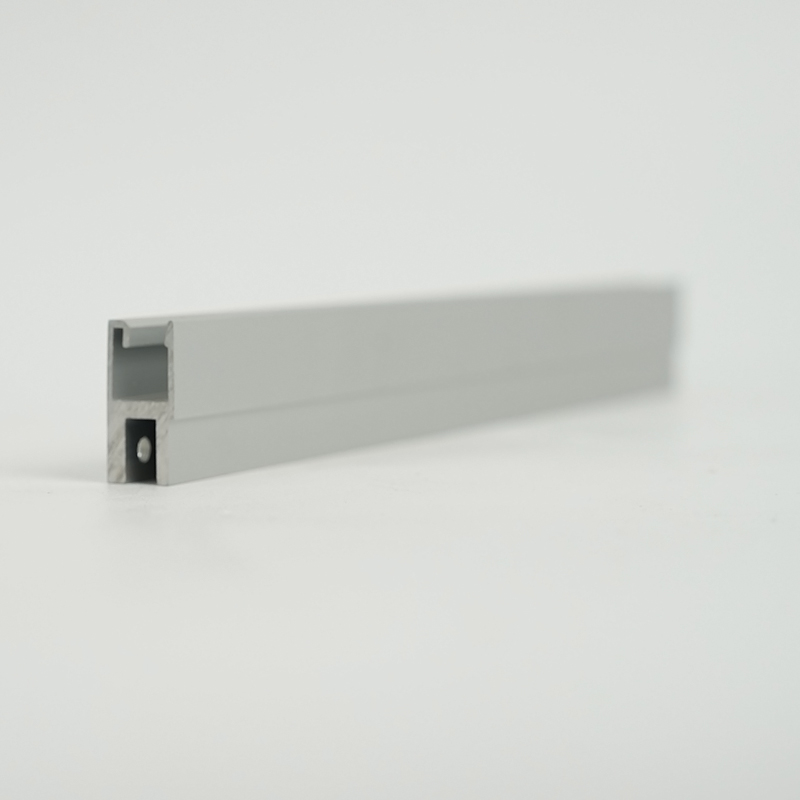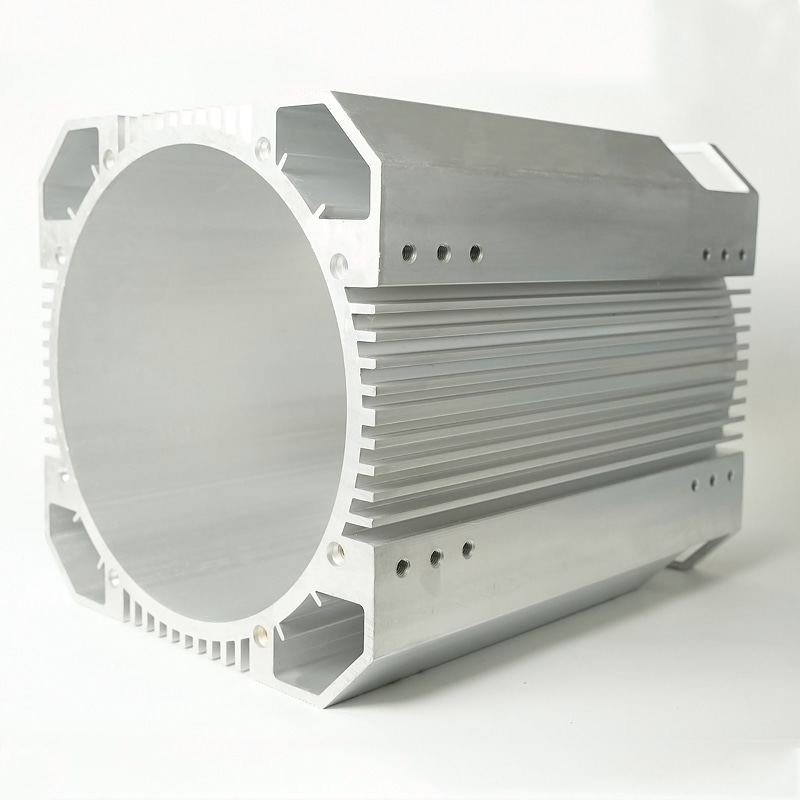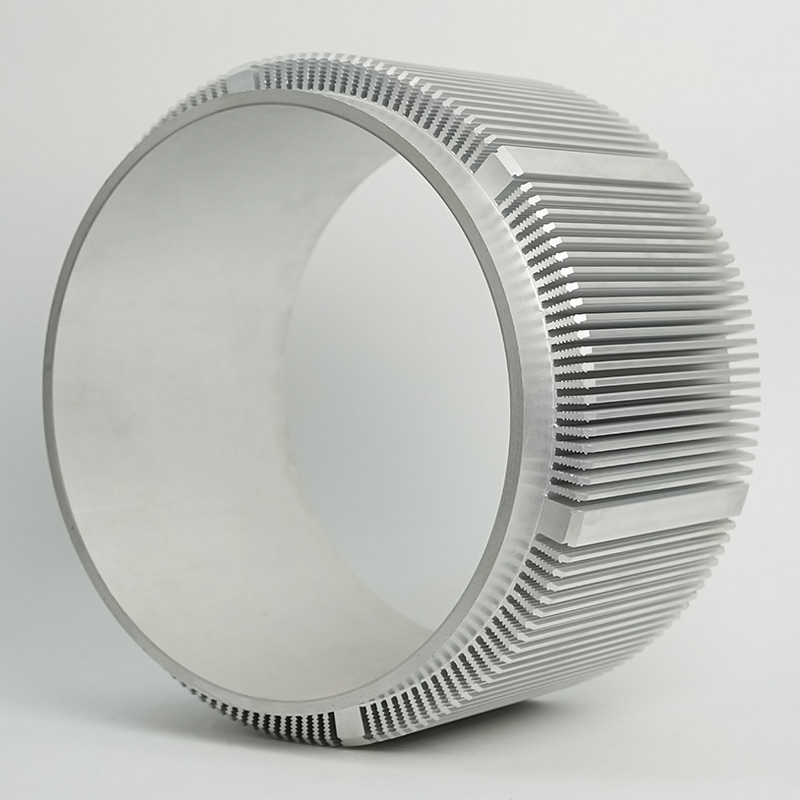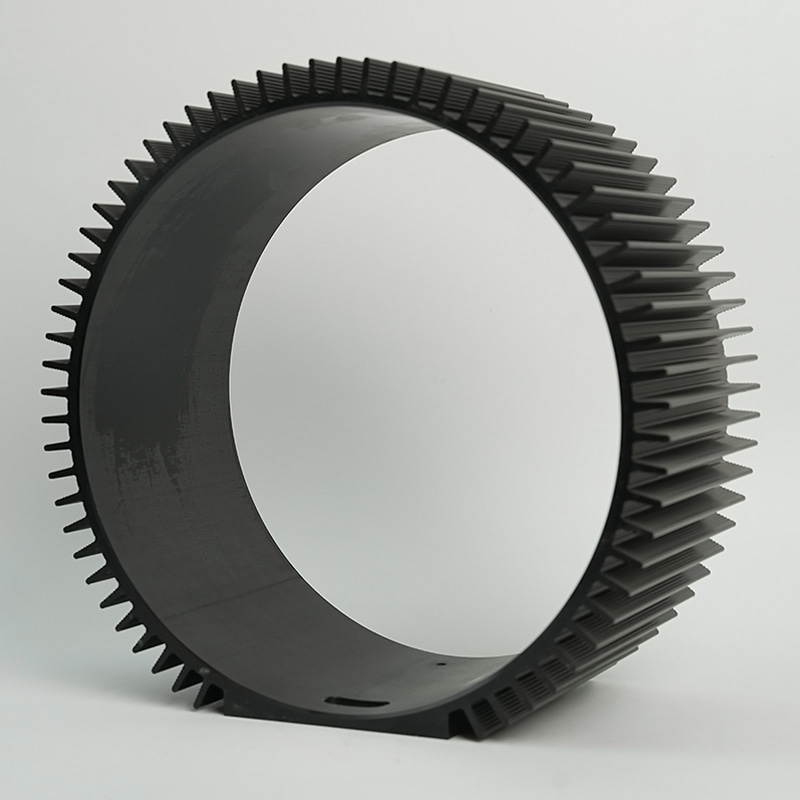


はじめに
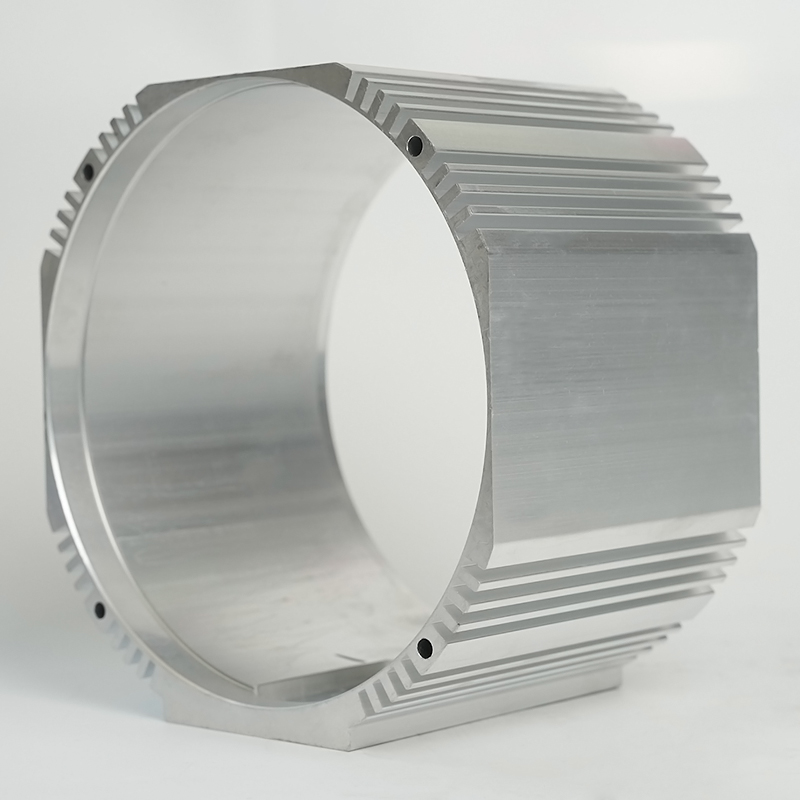
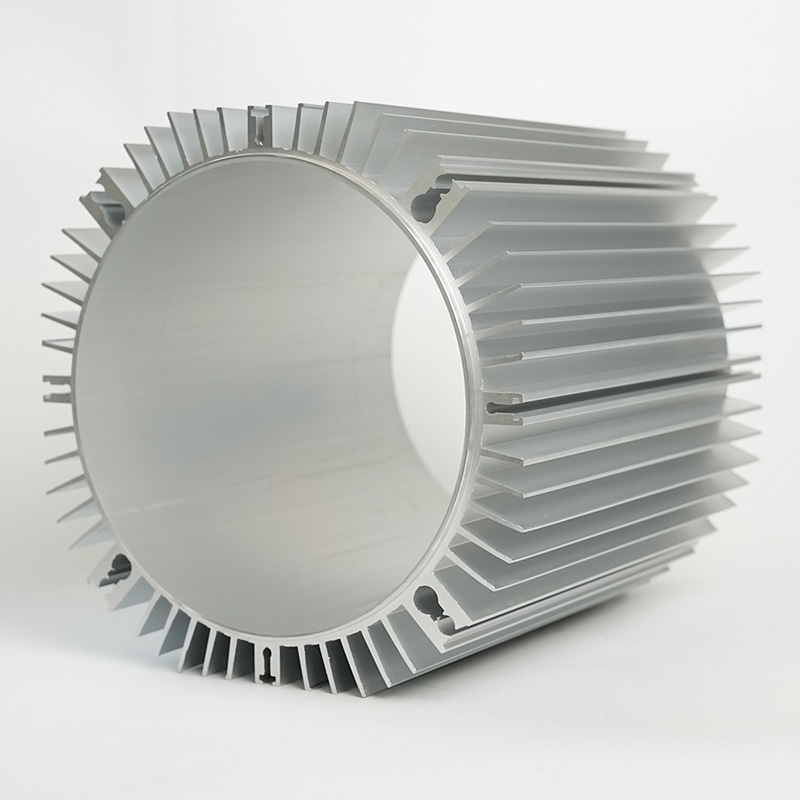
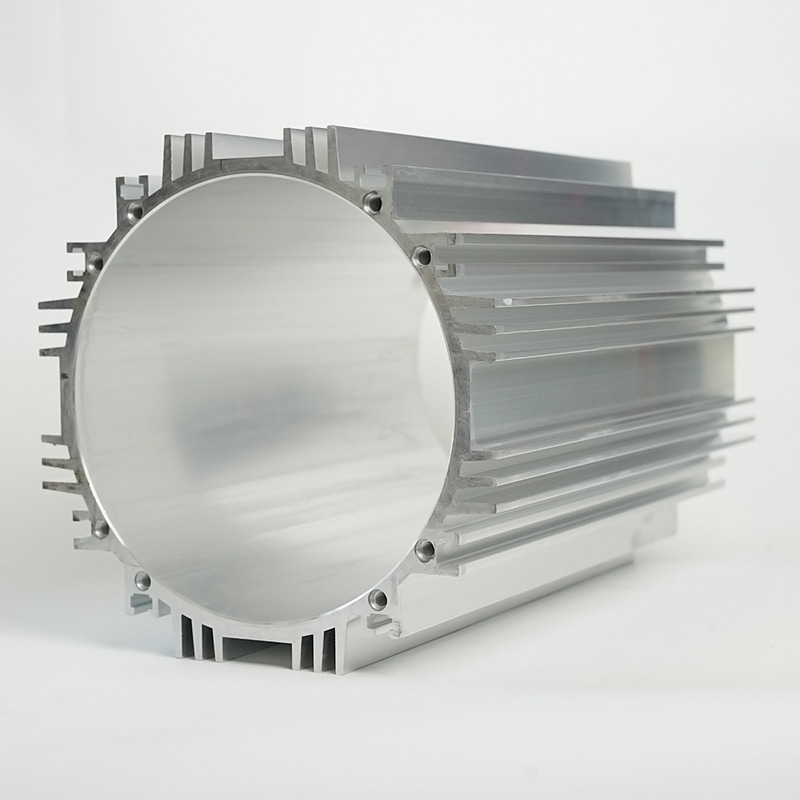
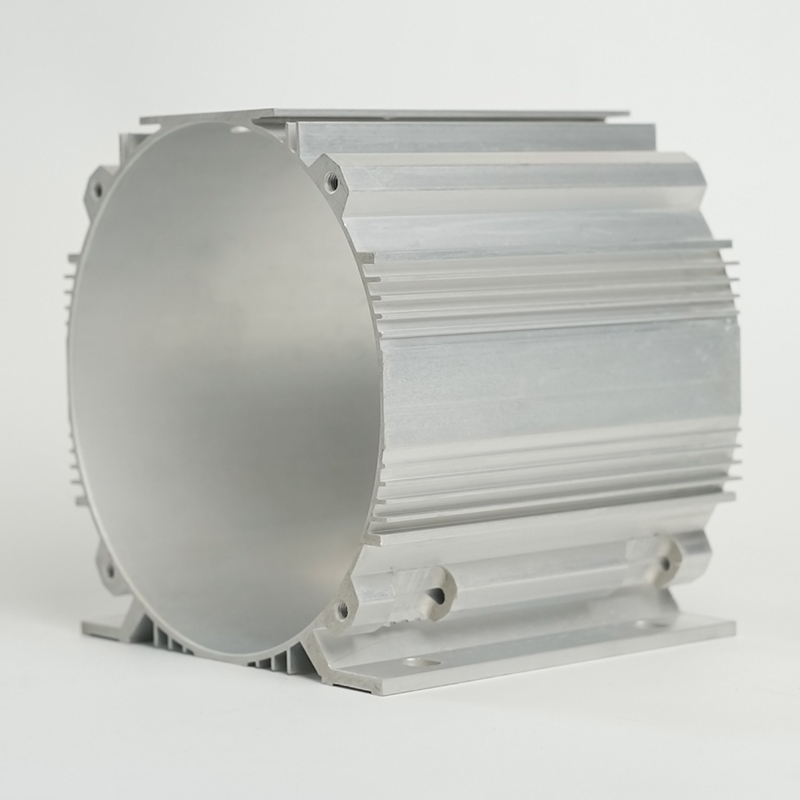
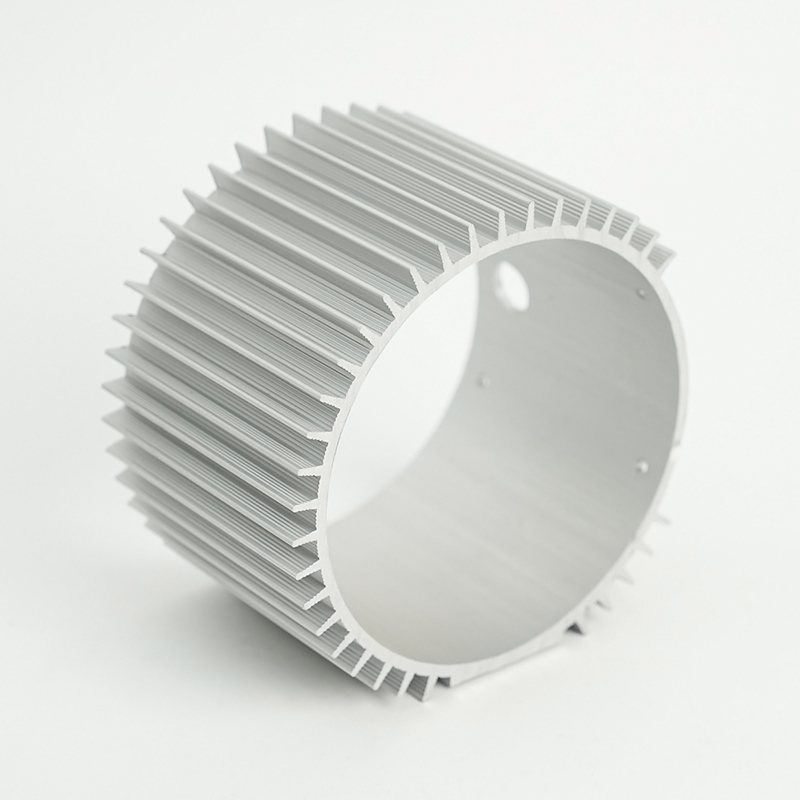
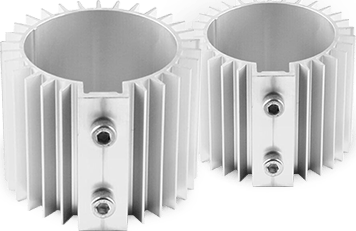
エレクトロニクスおよび産業用電源システムの世界では、熱エネルギーの管理がデバイスの寿命と信頼性を決定する主な要素です。ヒートシンク ハウジングは単なる機械的な筐体ではありません。これは、高温源から低温の冷却媒体、通常は周囲空気または循環流体への熱エネルギーの伝達を促進する重要なコンポーネントです。ハウジングの設計と表面積は重要な役割を果たしますが、基本的な材料の選択によって、システム全体の熱伝導率、重量、機械的堅牢性が決まります。
熱伝導率の基礎科学
熱伝導率とは、材料が熱を伝導する性質のことです。ヒートシンクのハウジング設計では、エンジニアは熱伝導のフーリエの法則に基づいて、コンポーネントがどれだけ早く熱を放出できるかを判断します。より高い熱伝導率を有する材料により、内部の電子部品からハウジングの外側のフィンまでのより効率的な経路が可能になります。ハウジングが導電性の低い材料で作られている場合、熱がベースに蓄積し、半導体の性能を低下させたり、熱シャットダウンを引き起こしたりする「ホットスポット」が発生します。
アルミニウム: 業界標準
アルミニウム合金、特に 6000 シリーズは、ヒートシンク ハウジングに最も広く使用されている材料です。アルミニウムは、コスト、重量、熱性能の優れたバランスを提供します。
- 熱性能: 合金に応じて熱伝導率が 180 ~ 235 W/mK の範囲にあるアルミニウムは、消費者および産業用の冷却要件の大部分を十分に満たします。
- 重量の利点: アルミニウムは密度が低いため、軽量化が重要な設計目標であるポータブル機器、自動車用途、航空宇宙に最適です。
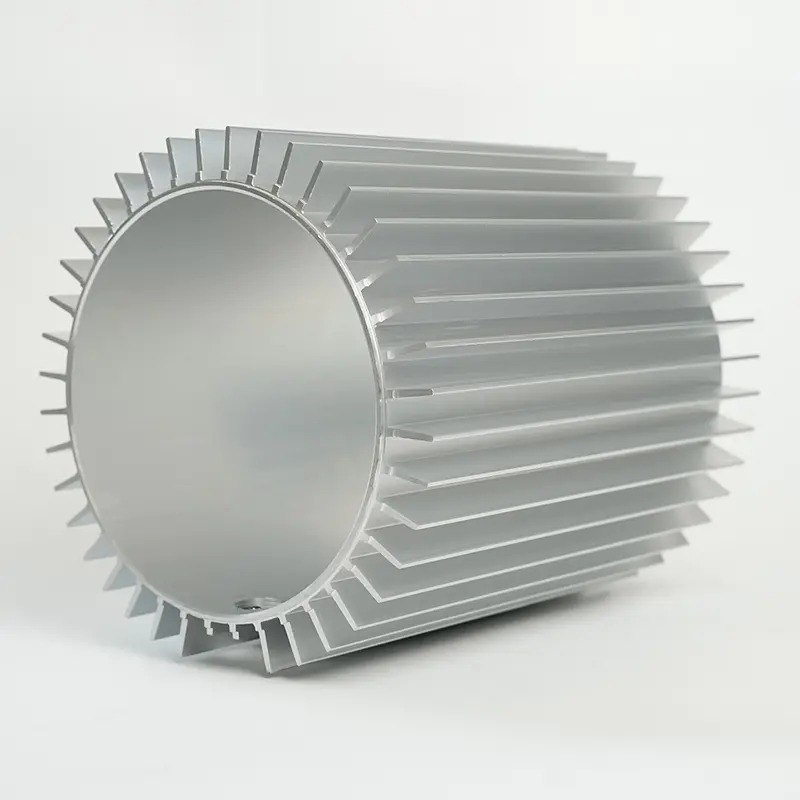
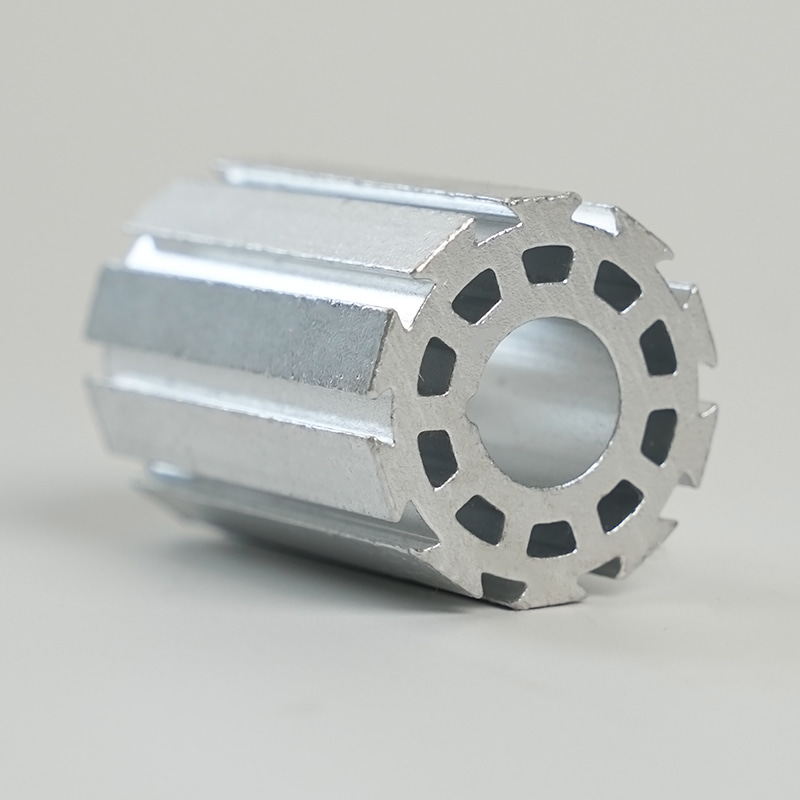
- 製造の多用途性: アルミニウムは複雑な形状を高精度に押し出すことができます。これにより、過度のかさばりを加えることなく表面積を最大化する複雑なフィン形状が可能になります。
- 耐食性: 陽極酸化として知られるプロセスを通じて、アルミニウムのハウジングを処理して、環境劣化に耐える硬質の保護酸化層を形成することができます。
銅: 高性能の代替品
Copper is the material of choice when thermal management demands exceed the capabilities of aluminum.銅の熱伝導率は約 390 ~ 400 W/mK で、アルミニウムのほぼ 2 倍の効果があります。
- 高電力密度: ハイパフォーマンス コンピューティング、レーザー ダイオード アレイ、または高密度パワー エレクトロニクスを含むアプリケーションでは、小さな表面積から大量の熱を急速に移動させるために銅が必要になることがよくあります。
- 課題: 銅はアルミニウムよりも密度が大幅に高く、高価です。 It is also more difficult to machine and extrude, leading to higher manufacturing overhead.
- ハイブリッド ソリューション: このギャップを埋めるために、多くの現代のデザインは「ベースからフィンまで」のハイブリッドアプローチを利用しています。熱源と直接接触するために銅製のベースが使用され、アルミニウム製のフィンがベースに接着され、空気対流のための軽量でコスト効率の高い表面積を提供します。
材質比較表
| プロパティ | アルミニウム(6063-T6) | 純銅 |
|---|---|---|
| 熱伝導率 (W/mK) | ~200~220 | ~390 - 400 |
| 密度 (g/cm3) | ~2.7 | ~8.9 |
| 相対コスト | 低い | 高 |
| 加工のしやすさ | 素晴らしい | 中等度 |
| 耐酸化性 | 高 (with Anodizing) | 中等度 (requires Plating) |
アプリケーションのニーズに合わせた設計の最適化
適切な材料を選択することは最初のステップにすぎません。ハウジングは、材料の特性と連携して機能するように設計する必要があります。たとえば、アルミニウムは伝導率が低いため、エンジニアは対流冷却の有効表面積を増やすために、より高いフィンやより密に詰まったフィンを設計することで補うことがよくあります。逆に、銅は高価であるため、銅製ヒートシンク ハウジングは、嵩高さよりも熱拡散を重視して、より薄く設計されることがよくあります。
表面仕上げの役割
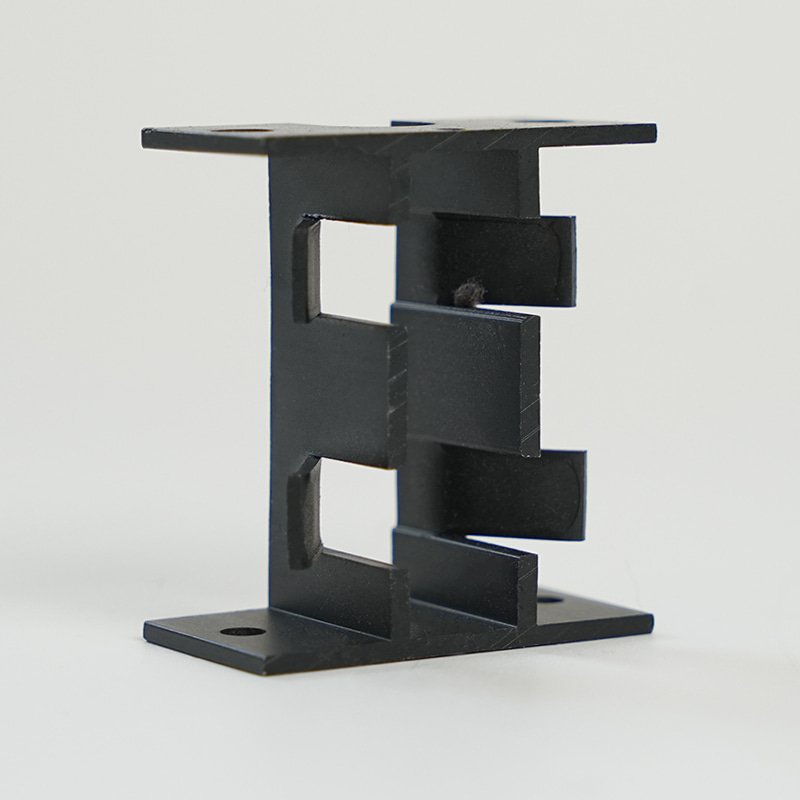
Regardless of the base material, the surface finish of the heat sink housing is critical.アルミニウムの陽極酸化または銅のニッケル/錫メッキは、酸化を防ぐだけでなく、放射率を高めます。高放射率の表面は熱をより効果的に放射するため、空気の流れが最小限の自然対流環境では特に有益です。黒色陽極酸化処理は、アルミニウム ハウジングの放射熱損失を増加させるための一般的で効果的な選択肢です。
製造上の考慮事項
The choice of manufacturing process—extrusion, skiving, forging, or CNC machining—is inherently linked to the material chosen. Extrusion is highly efficient for aluminum and allows for long, consistent profiles at low cost. For projects requiring high-density fins that cannot be extruded, skiving (a process of slicing thin layers from a block) is often used for both copper and aluminum to create high-aspect-ratio fins.
結論
There is no “one-size-fits-all” material for heat sink housing.決定は、消費電力の要件、スペースの制約、環境条件、予算の厳密な分析に基づいて行う必要があります。ほとんどの汎用用途では、アルミニウムは理想的な価値提案を提供します。 However, when the heat density is extreme, the superior thermal conductivity of copper becomes an indispensable asset.熱効率、質量、製造の複雑さの間のトレードオフを理解することで、エンジニアは電子システムの信頼性とパフォーマンスを最大化するハウジング ソリューションを作成できます。
よくある質問
1. Why is aluminum more commonly used for heat sink housings than copper?
Aluminum is the industry standard because it offers a superior balance of cost-effectiveness, low weight, and adequate thermal conductivity for most applications. Copper is reserved for high-power scenarios where its higher cost and weight are justified by its superior thermal conductivity.
2. Can I combine aluminum and copper in a single housing design?
はい、ハイブリッド設計が一般的です。熱源と直接接触して熱吸収を最大化するために銅製のベースがよく使用されますが、ベースにはアルミニウム製のフィンが取り付けられており、軽量で効率的な表面積を提供して放熱します。
3. Does the color of the heat sink housing affect its performance?
はい、放射線の観点からです。 Dark-colored or black anodized surfaces have higher emissivity compared to shiny or bare surfaces, which allows them to dissipate more heat through radiation, especially in environments with limited airflow.
4. How does the manufacturing process affect my choice of material?
Some processes are better suited to certain materials. Aluminum is excellent for extrusion, which is low-cost for mass production. Copper is often better suited for skiving or CNC machining to achieve high-performance geometries.
5. How do I determine if my device needs a high-performance material?
If your thermal modeling indicates that you cannot maintain safe operating temperatures within the available space using aluminum, or if the heat source has very high power density, it is time to consider copper or hybrid solutions.